
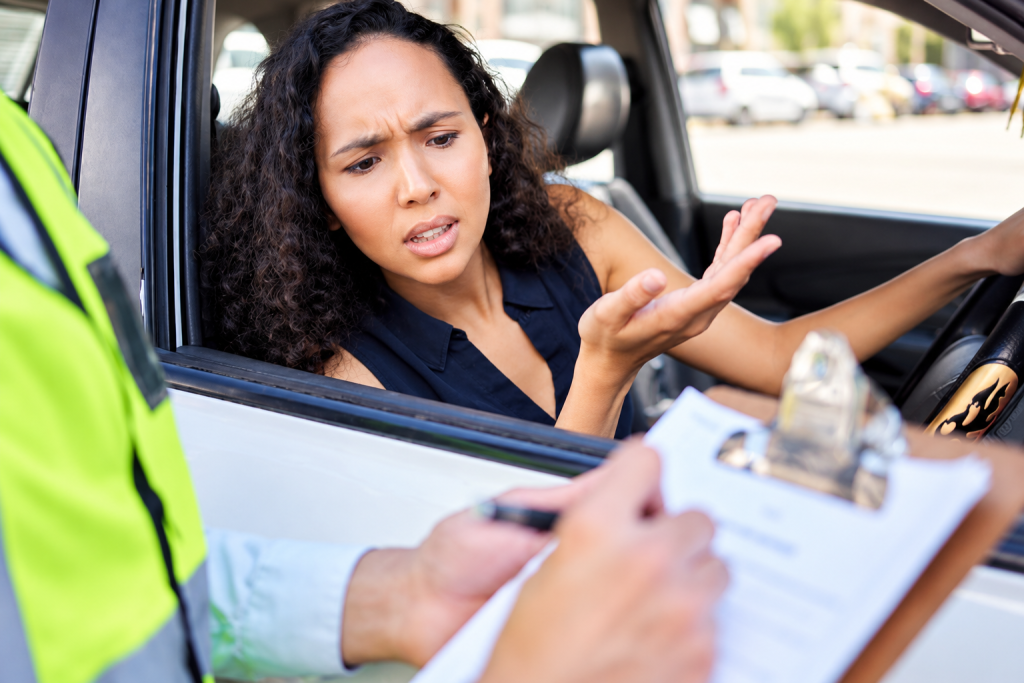
You have been pulled over, handed a traffic ticket, and left wondering whether you should simply pay it. Perhaps you disagree with the officer’s account, or you are worried about what the ticket could mean for your driving record.
Before deciding, understand your options. In British Columbia, some traffic offences carry penalty points and additional costs beyond the fine printed on the ticket.
Can You Challenge a Traffic Ticket?
Yes. If you believe you did not commit the offence, you can dispute the allegation. This gives you an opportunity to challenge the evidence at a court hearing.
If you accept that you committed the offence but are concerned about paying the fine, you can instead request a lower fine or more time to pay. These are different approaches: asking for financial relief means accepting responsibility for the offence. Some fines also have legal minimums that the court cannot reduce.
How Do You Start the Dispute?
For an ordinary provincial violation ticket served on you, you generally have 30 days from receipt to register a dispute. Read the instructions on your ticket carefully and act promptly.
Depending on your ticket’s eligibility, you can register your dispute online, by mail, or in person at a Provincial Court registry or an ICBC driver licensing office. Keep a copy of what you submit and any confirmation you receive. If you dispute the allegation, you will receive a Notice of Hearing with your court details.
Do not assume this deadline applies to every driving matter. An Immediate Roadside Prohibition has a separate review process, and you must apply within seven days of being served.
What Should You Do Before the Hearing?
Preparation starts with understanding the case against you. Request disclosure from the issuing officer, including their notes and any relevant audio or video evidence.
You should also write down what you remember while the details are fresh. Preserve any dashcam footage, photographs, or other information that may help explain what happened.
Review the offence listed on your ticket and prepare questions you want to ask the officer. The strongest preparation focuses on the evidence and what must be proven to establish the offence.
What Happens in Traffic Court?
A judicial justice usually hears traffic ticket disputes. If you plead not guilty, the officer presents the prosecution’s evidence first. You can question the officer and any other prosecution witnesses, if any.
You then have the opportunity to give evidence and call witnesses, although you are not required to testify. The prosecution must prove the offence beyond a reasonable doubt. After considering the evidence, the judicial justice decides whether you are guilty or not guilty.
Will a Lower Fine Remove the Points?
This is a common misunderstanding. A reduced fine does not remove the penalty points attached to an offence. Points are set by regulation, and the judicial justice cannot simply reduce them.
For example, accepting an offence and obtaining a lower fine may reduce your immediate payment, but the associated points still apply. If you are found not guilty, no fine or penalty points are imposed for that charge.
How Can a Lawyer Help?
Deciding whether to dispute a ticket involves looking at the charge, the available evidence, and the consequences of a conviction. A lawyer can review disclosure, identify potential defences, explain your options, and represent you at the hearing.
At ALMA, we help clients make informed decisions about traffic tickets and driving matters in British Columbia. If you have received a ticket, contact our office promptly so we can review your situation before the applicable deadline.